Preparing Stucco for Exterior Painting in Torrance

A hairline stucco crack no wider than a business card edge will reopen within one winter if paint is simply rolled across it. Post-war tract homes in Torrance, CA carry plenty of them, and the repaint work that lasts is the work that treats each one before a topcoat is opened, as the figures kept at painting contractor torrance blitsy crafts keep pointing out.
Reading the wall before touching it
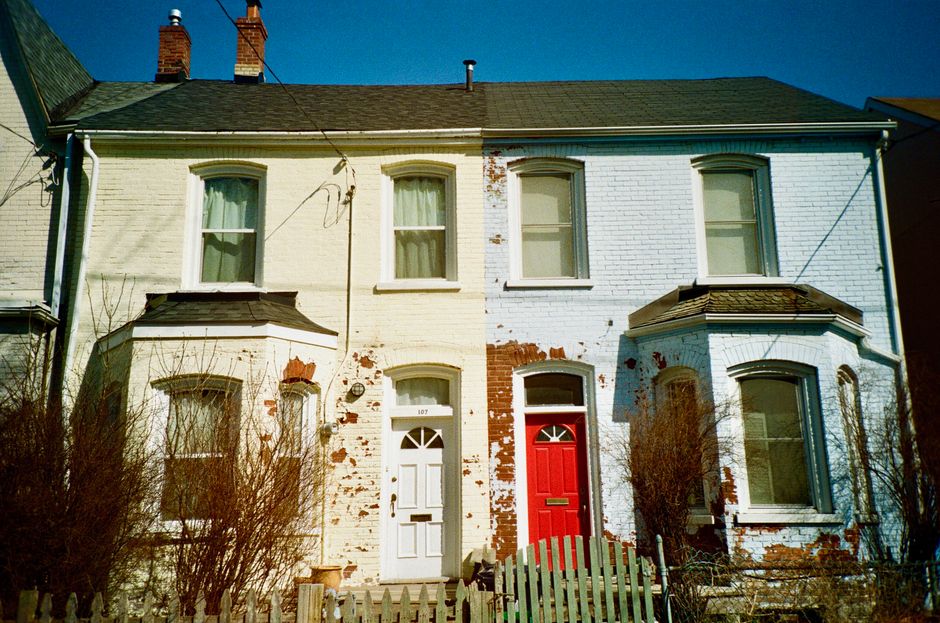
Stucco on the houses built after the war has usually been painted two or three times. The first job is a walk around the whole house with a hand pressed flat on the wall. A palm that comes away white means chalking, which is old paint breaking down into powder. Paint will not grip powder, so the wall gets washed and left to dry before anything else happens.
Cracks, patches and texture

Hairline cracks get a flexible acrylic caulk worked in with a wet finger. Wider ones are opened up slightly with a scraper, filled with patching compound made for masonry, and then textured to match the surrounding wall. Matching texture is the hard part. A smooth patch on a sand-finish wall shows up as a pale square the moment the sun hits it low in the afternoon, so the crew stipples or sponges the repair until the surface reads the same from ten feet away.
Efflorescence and stains near the ground
White crystalline deposits along the base of a wall are efflorescence, salts carried out of the masonry by moisture. Near Torrance Beach, where the coastal marine layer keeps walls damp on many mornings, the base of stucco walls is where this shows first. The deposit is brushed off dry, the wall is rinsed, and the cause is looked for before any coating goes on. A sprinkler head aimed at the wall will bring the salts back through fresh paint in a season or two.
Primer on every bare patch
Patched areas are porous and drink paint unevenly. A masonry primer goes over every repair and any bare spot, and a stain-blocking primer goes over rust marks from old nails or lath. Skipping this step is what leaves dull, flat patches showing through a satin or eggshell finish. Where the old coating is sound and only dirty, a coat of bonding primer is enough.
Applying the finish
Most stucco jobs are sprayed with an airless sprayer and then back-rolled with a thick nap roller to push the paint into the texture. Two coats of a good acrylic latex is the usual spec, with the edges at trim and windows cut in by brush first. Coverage on rough stucco runs well below what the can label claims, so the quantity ordered is padded to match the surface. A dry mil thickness that is too thin is what fails first on a south-facing wall.